
Parks are the beating hearts of our communities, spaces where families gather, children play, and neighbours connect. Yet in many local boroughs, parks have become underused and underloved. Changing demographics, reduced council budgets, and environmental pressures have left many of these green spaces in decline.
The question is:
How can we bring them back to life in ways that truly serve our communities

The Challenge We Face
- Social: In decades past, parks were vibrant meeting places where families knew their neighbours and entire streets gathered. Today, that sense of connection is fading. Research shows that 1 in 5 people in the UK report feeling lonely often or always (ONS, 2023), and reduced use of parks contributes to this social isolation.
- Economic: Councils and boroughs face growing financial pressures. Maintenance of local parks is often underfunded, with many councils now encouraging community-led “Friends of…” groups to take stewardship. Yet without sustainable funding models, many parks struggle to thrive. Nationally, local authority spending on parks and green spaces has fallen by over 30% since 2010 (The Parks Alliance, 2022).
- Environmental: Climate change, littering, and antisocial behaviours—such as dumping and drug misuse—pose real threats to our green spaces. These issues not only make parks less desirable but also harm wildlife and pets. Studies have shown that urban parks play a crucial role in reducing local air pollution and mitigating heat, but only if they are well cared for and actively used.


Our Project Vision
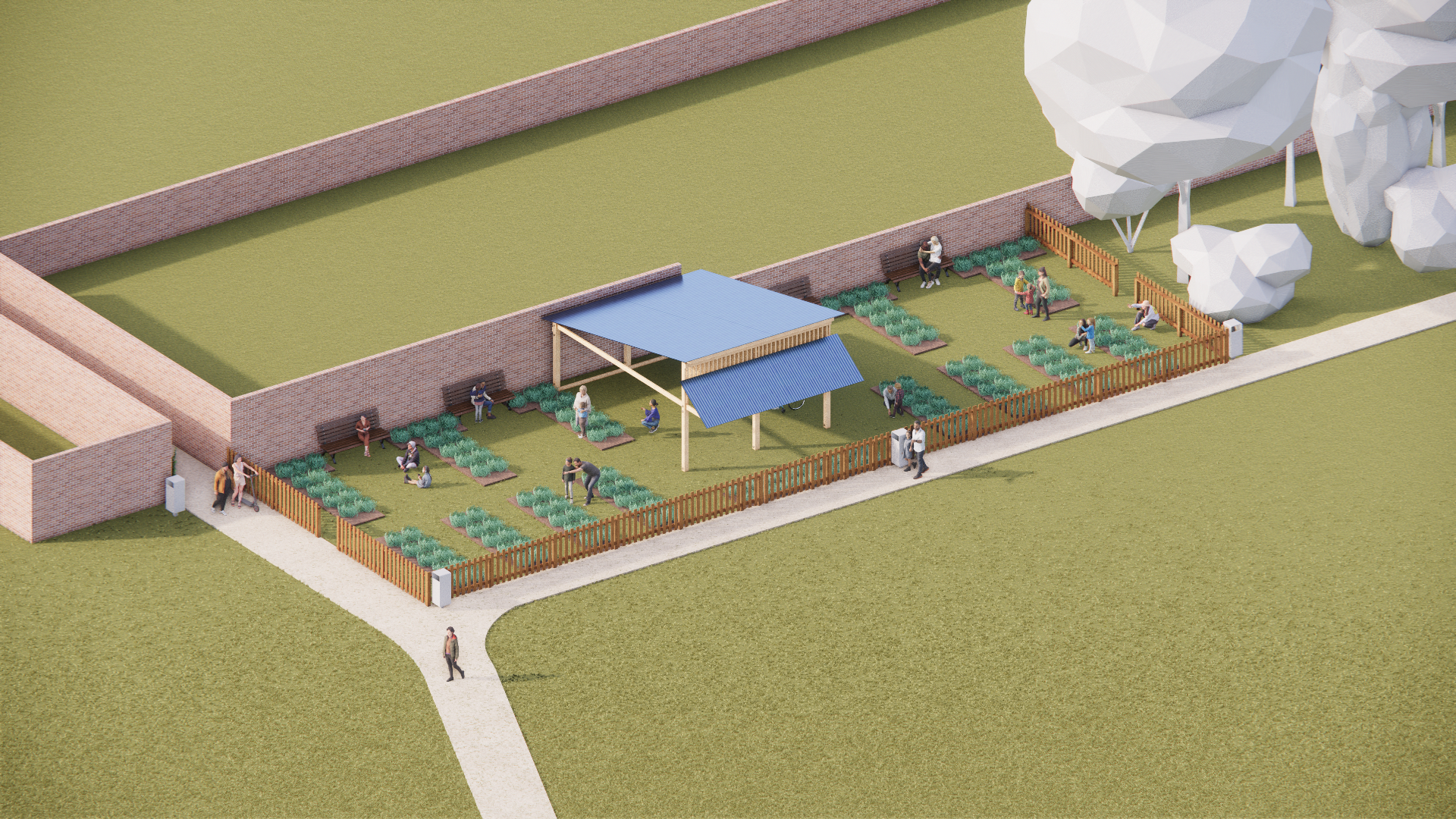
In conversations with local community leaders, including a “Friends of…” group in Enfield, with knowledge of Local Funding Opportunities coming soon through crowdfunding by the council in partnership with SpaceHive, a shared idea emerged: reactivating parks through community gardens and resident-led allotments.
Kula Foundation’s connection to Enfield, with our founder Nish having grown up in the area, makes this especially meaningful. We see potential in exploring smaller, resident-led community allotments within parks—spaces where people can grow food, share knowledge, and reconnect. These initiatives could also generate modest income to fund ongoing park improvements, creating a cycle of resident ownership and borough partnership.


The Potential Impact
The benefits of park-based community gardens extend far beyond growing food:
- Health & Wellbeing: Gardening improves both mental and physical health. Research from the RHS shows that regular gardening reduces stress by up to 30% and increases daily activity levels.
- Community Connection: Shared gardens provide a natural meeting point, helping to reduce social isolation and foster neighbourly ties.
- Sustainability: Resident-led allotments can provide sustainable funding for park upkeep, ensuring long-term improvements without relying solely on council budgets.
- Youth Engagement: Schools, scouts, and youth groups could participate in programmes that teach gardening, environmental care, and civic pride.
- Local Ownership: Initiatives like litter picks, seed swaps, and health workshops can build a sense of collective responsibility, ensuring parks stay vibrant for years to come.
“The creation of a thousand forests is in one acorn.”
Ralph Waldo Emerson
Looking Ahead
By activating parks through community gardens, we can transform underused green spaces into hubs of growth, connection, and resilience. This is more than planting seeds—it’s planting the future of our communities.