
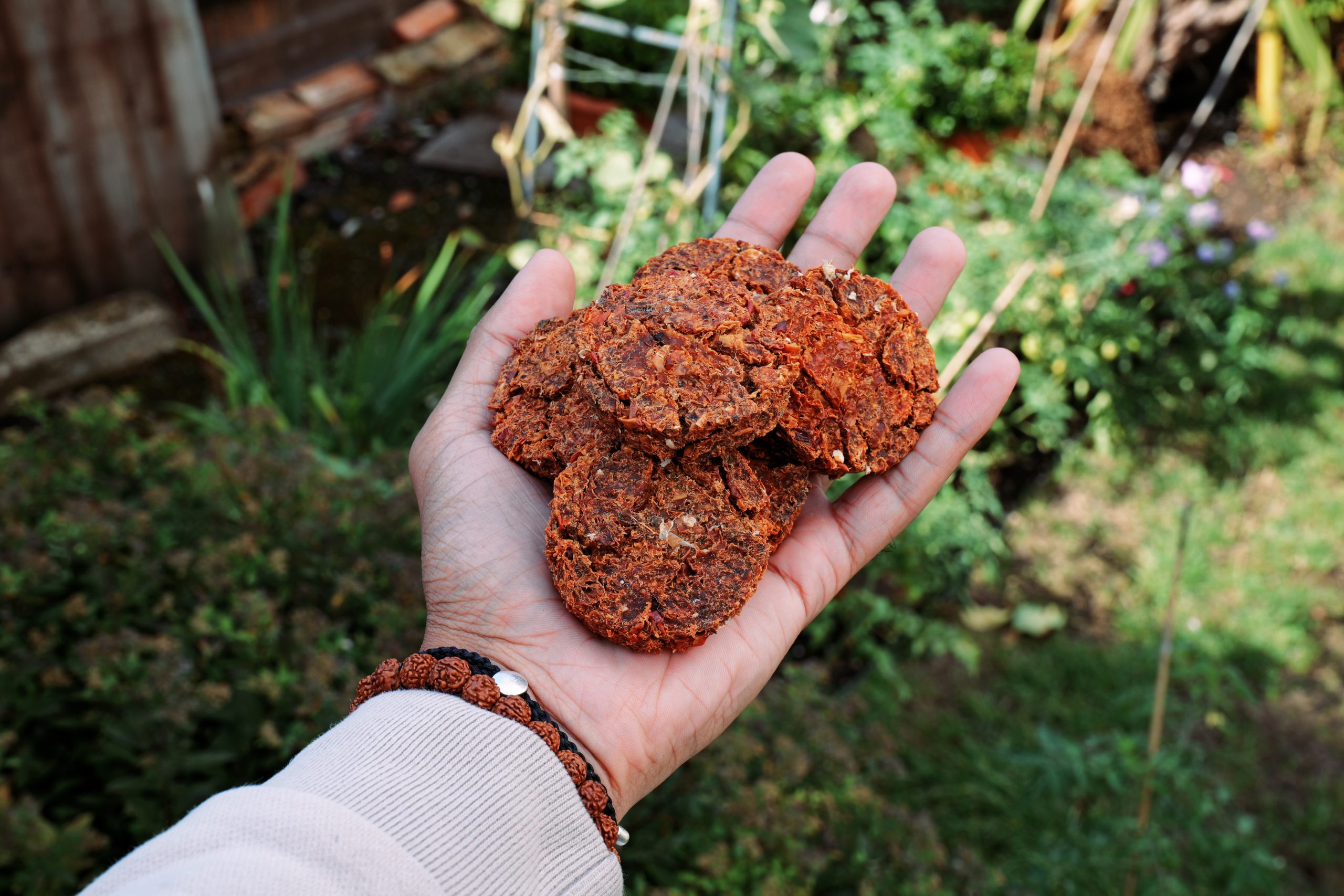
We are exploring the potential for initiatives that could turn discarded apples into dried pulp briquettes, an alternative to traditional firewood. This approach has been successfully piloted in parts of South America, where local entrepreneurs and communities have compressed apple waste into briquettes that burn efficiently, reducing reliance on firewood and lowering emissions.


Around the world, underrepresented and informal communities face persistent challenges in access to basic services, including clean and affordable energy.
Globally, over 1 billion people live in informal settlements, often relying on firewood, charcoal, or other fossil fuels for cooking and heating, resources that are expensive, polluting, and unsafe. In sub-Saharan Africa alone, 50-60% of the urban population resides in informal settlements without reliable access to electricity, creating both social and economic vulnerabilities.
At the same time, food waste continues to be a critical global issue. In 2022, 1.05 billion tonnes of food were wasted worldwide, accounting for roughly 10% of global greenhouse gas emissions. Apples, often discarded due to cosmetic imperfections or as byproducts of juice production, represent one opportunity to reduce waste while generating alternative value for communities.
In our small-scale trials, we compressed waste apple pulp from a juicer into disc-shaped briquettes and allowed them to dry, closely replicating the process used in these pilot programmes to test the possibilities of bringing that same knowledge to other parts of the world.
The initial tests have been encouraging, and they highlight the feasibility of scaling this type of solution in other contexts, including low-income families in informal settlements or rural communities that rely heavily on fossil fuels.
Why It Matters
This approach sits at the intersection of social impact, environmental sustainability, and economic opportunity:
Social
Communities gain access to cleaner, safer cooking and heating fuel.
Economic
Families could reduce spending on firewood or charcoal, or potentially generate income through local production.
Environmental
Food waste is reduced, and greenhouse gas emissions are lowered by replacing fossil-fuel-based energy.
The Business Insider video on a pilot project (Watch here) demonstrates the tangible impact on family in South America, showing how a simple innovation can provide both environmental and social benefits when implemented thoughtfully.
“We do not inherit the Earth from our ancestors; we borrow it from our children.”
Native American Proverb
Interested in This Story? Let’s Talk.
If this project has inspired you or sparked an idea, we’d love to hear from you.
Get in touch and schedule a call to explore how we can collaborate, share insights, or grow the impact together.