
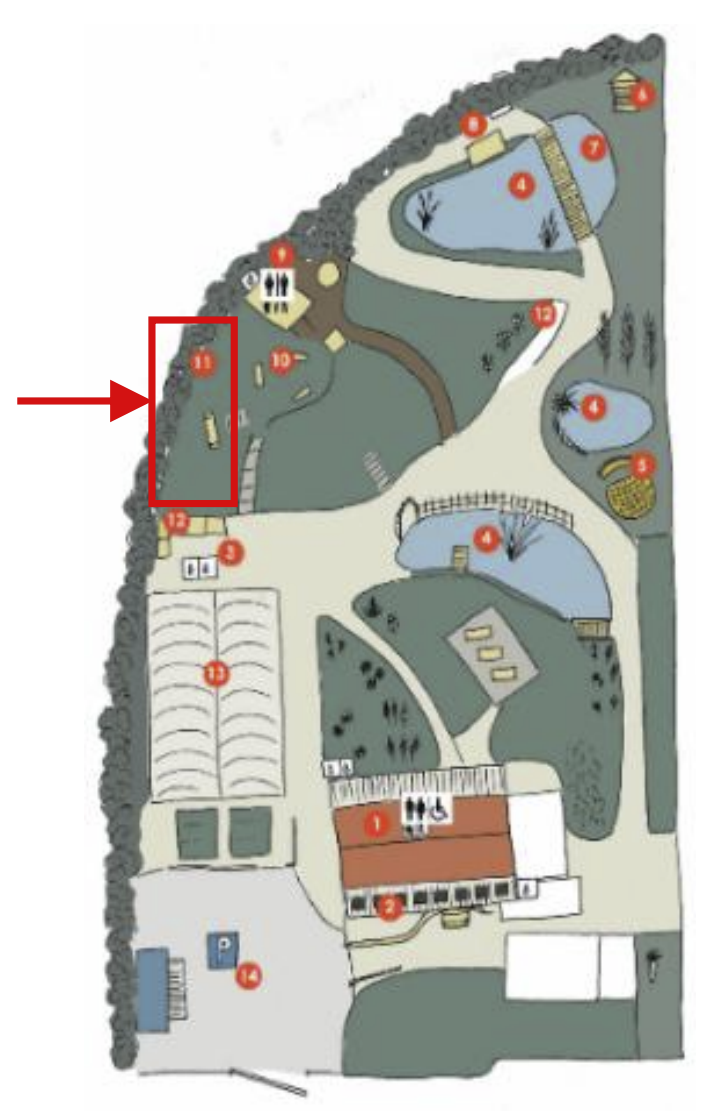
Funded through our Community Resilience Fund 2025, At Flower Pod, we will support to build an ‘Edible Forest’ garden: a teaching space for horticultural skills and ‘seed-to-plate’ learning, targeting health inequality and food poverty.
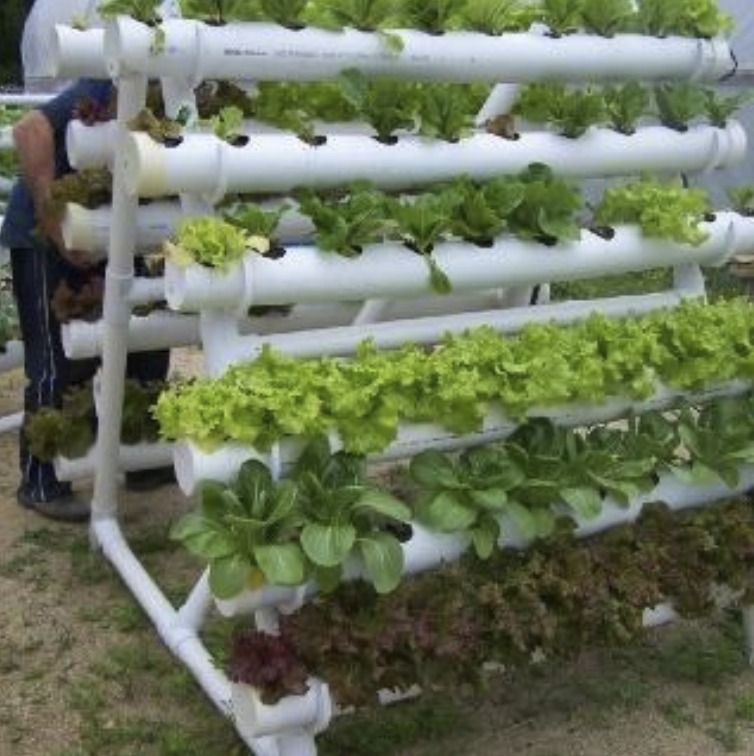
Adults with learning disabilities and community volunteers will learn innovative, sustainable, and resilient food growing methods: ‘layered’ vertical systems for limited space, and hydroponics.
Objectives:
- A completed Edible Forest garden at Flower Pod will revitalise underutilised land, creating a teaching space for alternative methods of growing herbs, fruits and vegetables
- Clients, volunteers, and community visitors creating and/or utilising the garden will broaden their horizons on alternative, more sustainable growing methods and gain transferable skills that can be used on a smaller scale at home
- Publicising the project will help break down stereotypes, showing the wider community how adults with learning disabilities can engage in horticulture and spreading awareness about alternative methods of growing healthy food at home
We are supporting…
Approximately 100 local people will benefit from the Edible Forest project: 12 Reach clients (adults with learning disabilities)* and 10 local volunteers will be involved in its planning and creation, while 50 clients, 30 local volunteers (including students from nearby Nottingham Trent University Brackenhurst campus), and 20+ community visitors will be able to visit and learn about the completed garden and/or benefit from specialist horticultural training using the space.
100+
Local People Supporting
UK
Nottingham
Farming / Horticultural
Type
June 2026
Date
Long Term Resilience
The Edible Garden will be maintained through regular care from Flower Pod staff, clients, and volunteers. As the healthy eating scheme of work develops over time, our partner will utilise the garden as a training space for our community to learn about alternative, sustainable methods of growing food, using research and feedback to develop the space further in ways which can continue to engage and inspire those at Flower Pod and in the wider Southwell and Nottinghamshire community.
An experiment will continue with which foods grow best in small, vertical spaces, which are most resilient, and which best enhance biodiversity. The project will further develop by considering which foods are most useful to grow for healthy recipes, which produce the most resilient/long-lasting produce, and which plants provide the best cost to value ratio, helping clients and volunteers at Flower Pod to gain further knowledge about the food they eat and the confidence to try growing their own sustainable healthy produce at home in creative, sustainable and resilient ways.
Community Engagement
Reach clients (adults with learning disabilities) and community volunteers will be supported by the experienced Flower Pod staff to be involved in the process of creating the Edible Forest garden from start to finish, from the planning and ‘landscaping’ of the area to collecting the materials, selecting the plants and seeds, planting the area, and maintaining it.
New horticultural skills and knowledge (e.g. the potential benefits of alternative growing methods such as woodland ‘layered’ systems and hydroponics systems) will be embedded into the project as it develops by the experienced horticultural tutors.
When completed, the Edible Forest (along with the hydroponics system) will be used as a teaching space for clients, volunteers, and community visitors to learn about these alternative growing methods and their benefits, with participants being encouraged to utilise these methods in a smaller scale at home.
Our Partner will provide accessible one-to-one support for clients and small reusable ‘growing packs’ to encourage more clients to feel confident to try growing their own produce.

Social Impact
Clients and volunteers participating in creating and/or using the Edible Forest will benefit from a meaningful and social horticultural project, improving their physical and mental wellbeing while learning innovative methods of growing food in a safe and communal environment.
Volunteers and community visitors will gain insight into the capacity of adults with learning disabilities to engage in horticulture and also gain insight into challenges faced by those in their community in terms of access to food, green spaces/recreation, and healthy eating.

Economic Impact
Many households and individuals our partner supports face deprivation, financial strain, lack of
access to services, rural isolation, and a lack of support to achieve their potential, including in terms of independence and self-reliance.
Many face obstacles to consistently purchasing and enjoying fresh fruit and vegetables and being able
to prepare healthy recipes at home. This exacerbates existing avoidable poor health issues.
As part of our health education work, we will aim to empower project participants to feel confident growing their own foods at home, using innovative growing methods on a small-scale and as part of a sustainable cycle (i.e. seed to plate and plate to seed), helping reduce food poverty and exclusion from healthy eating in our clients and the wider community.

Environmental Impact
A layered, vertical growing system imitates natural ecosystems, enabling greater biodiversity by
allowing multiple plant species to co-exist in one system. RF
Wild plants may grow alongside food being grown. The project will restore an underutilised piece woodland, converting it into both a usable vegetable/fruit garden as well as a wildlife hotspot.
Hydroponic systems similarly are less demanding of natural resources – we will use recycled drainpipes
to grow vegetables and herbs which need only water and nutrients to grow (without soil).
We hope to encourage curiosity about innovative methods of growing food in our rural community and
raise awareness of the links between good health and a healthy growing environment.
We would like to thank our Grant Partner Ground Team ‘Reach Learning Disability‘