
How Simple PVC Hydroponic Systems Can Transform Food Access
Access to nutritious food remains one of the most pressing challenges facing communities in densely populated and under‑resourced areas around the world. In informal settlements, rural villages, and rapidly growing urban districts, families are often constrained by limited land, poor soil quality, water scarcity, and rising food costs.
At The Kula Foundation, we believe that practical, low‑cost innovations can play a powerful role in tackling these challenges. One such innovation is the vertical PVC pipe hydroponic system, a simple but effective approach to growing food where traditional farming is not possible.
This article explores what PVC pipe hydroponic systems are, why they matter, and how they can support communities in places such as informal settlements like Kibera in Kenya, rural and peri‑urban areas across India, and other overpopulated or land‑constrained regions.
What Is a PVC Pipe Vertical Hydroponics?
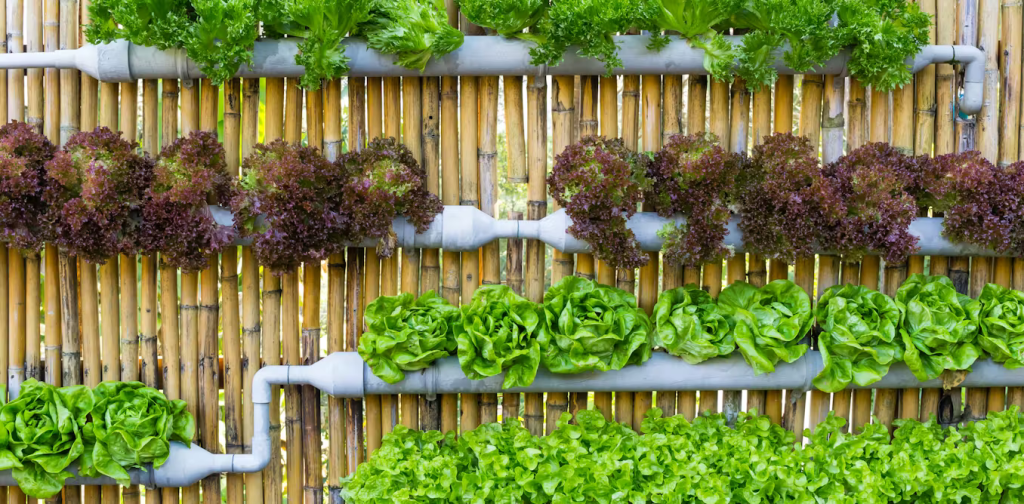
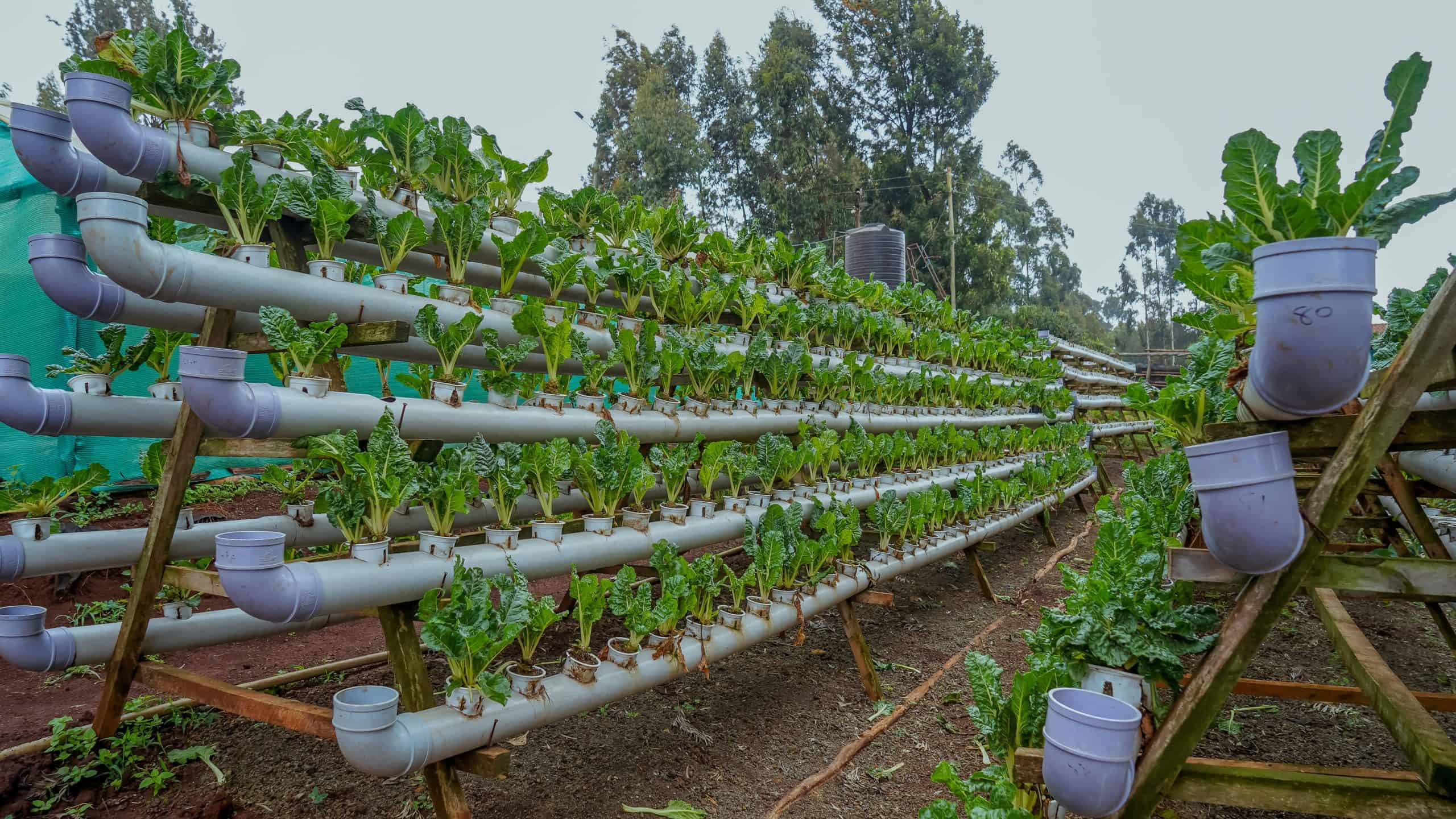
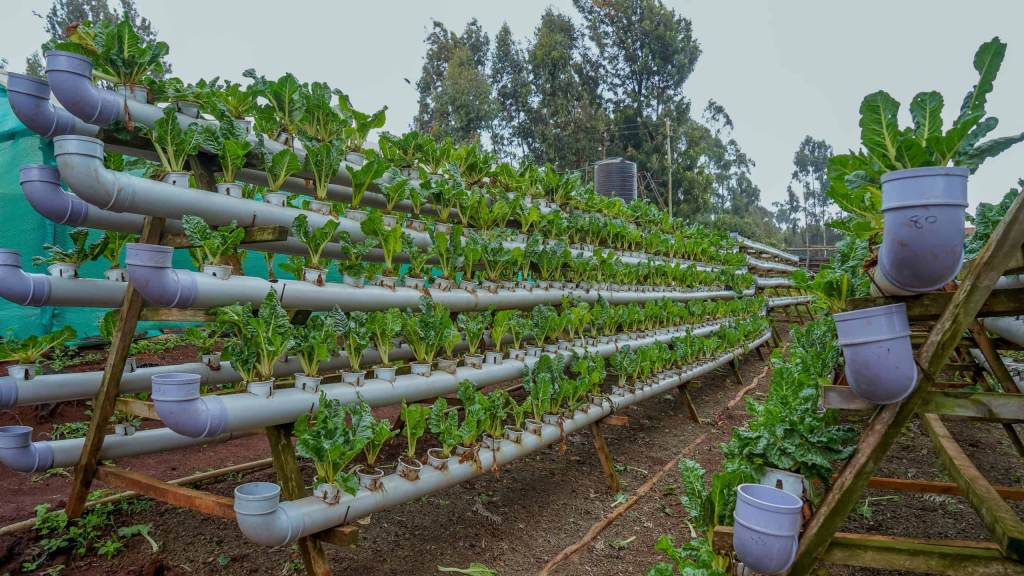
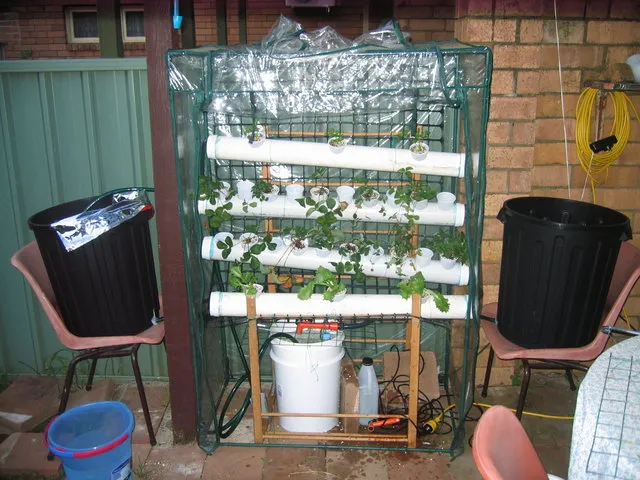
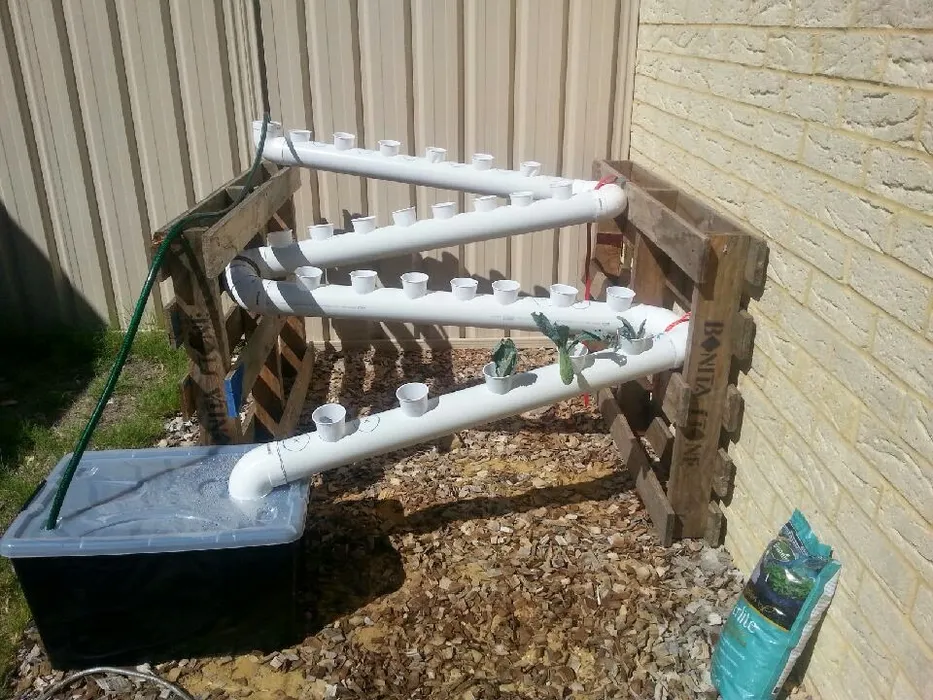
A PVC pipe hydroponic system is a form of soilless agriculture where plants are grown inside vertically mounted PVC pipes. Instead of soil, plant roots receive water mixed with essential nutrients, delivered in a controlled and efficient way.
Typically, these systems:
- Use locally available PVC pipes
- Are installed vertically to save space
- Rely on gravity‑fed or low‑energy water circulation
- Can be built at small or community scale
- Support crops such as leafy greens, herbs, and some vegetables
Because they are vertical, these systems can be installed in small courtyards, along walls, on rooftops, or within community spaces, making them ideal for areas where land is scarce or expensive.
Why Vertical Hydroponics Matter in Overcrowded and Underserved Areas
Making Food Production Where Land Is Limited
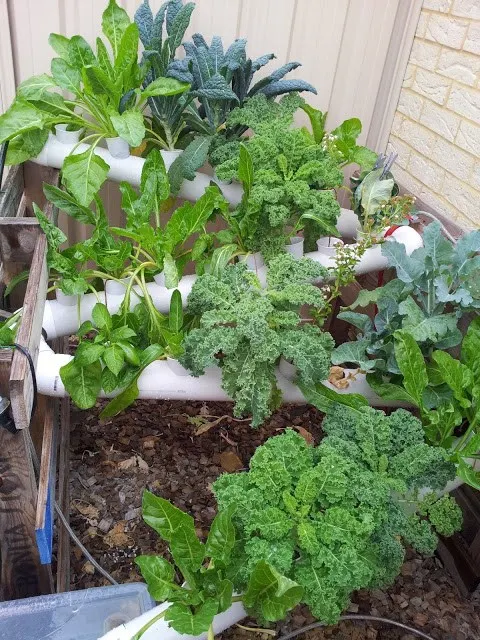
In informal settlements and high‑density districts, open land is often unavailable or unsafe for traditional farming. Vertical hydroponic systems:
- Require very little horizontal space
- Can be installed in unused or overlooked areas
- Enable households and communities to grow food where farming was previously impossible
This is particularly relevant in places like Kibera or dense urban districts in India, where population growth has far outpaced infrastructure and land availability.
Water scarcity is a growing concern in many regions, especially where climate change, unreliable rainfall, or poor infrastructure limit access.
Hydroponic systems:
- Use significantly less water than soil‑based farming
- Reduce water loss through evaporation and runoff
- Allow water to be reused within the system
For communities already facing water stress, this efficiency can make local food production more sustainable and realistic.
Efficient Use of Water
Improved Nutrition and Food Security
Many low‑income households rely heavily on inexpensive, calorie‑dense foods that lack essential nutrients. Vertical hydroponic systems make it easier to grow:
- Leafy greens
- Herbs
- Nutrient‑rich vegetables
This supports:
- Improved household nutrition
- Greater dietary diversity
- Reduced reliance on fluctuating market prices
For families, especially those with children, access to fresh produce can have long‑term health benefits.
Low‑Cost & Scalable
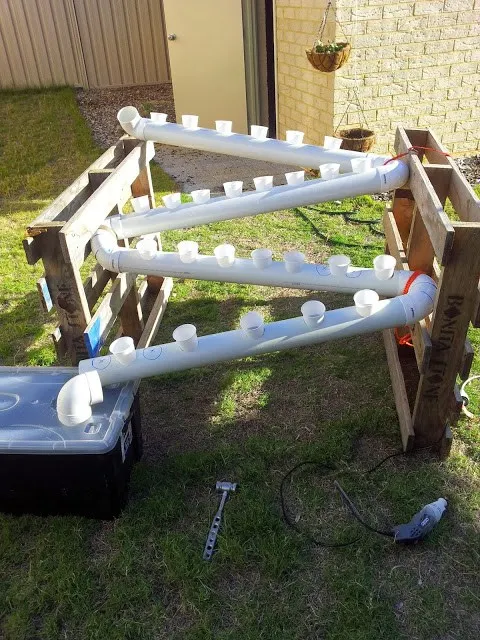
One of the strengths of PVC pipe hydroponics is its simplicity. Systems can be:
- Built using affordable materials
- Adapted to local conditions and skills
- Maintained with basic training
- Scaled from individual households to community projects
This makes the technology suitable not only for pilot projects, but also for replication by local organisations, cooperatives, and community groups.
Livelihoods and Skills Development
Beyond food production, hydroponic systems can support:
- Small‑scale income generation
- Youth skills training
- Women‑led enterprise
- Community‑run food initiatives
By learning how to build, maintain, and manage these systems, community members gain practical skills that can translate into economic opportunities.
Taking Action
They are a powerful tool when used alongside education, community engagement, and long‑term development planning.
By rethinking how and where food can be grown, we can help communities take steps towards greater food security, resilience, and independence, even in the most challenging environments.
At The Kula Foundation, we are excited to continue exploring and sharing solutions like this with our supporters, partners, and the communities we work alongside.
Watch this YouTube Video that shows how such a system can work in a country like Kenya.
Why This Matters
At its core, this technology aligns with The Kula Foundation’s values:
- Dignity – enabling people to grow their own food
- Sustainability – using fewer resources to produce more
- Community‑led solutions – adaptable and locally owned
- Long‑term impact – not dependent on continuous aid
For donors, partners, and organisations, vertical hydroponic systems represent:
- A tangible, visible intervention
- A solution that can be integrated into wider programmes (nutrition, livelihoods, education)
- An opportunity to invest in innovation that is both practical and scalable