
In the vast landscape of places like India, Kenya and the UK, nestled amidst its breathtaking natural beauty, lie countless rural villages and communities. These villages, while rich in culture and heritage, often face significant challenges in terms of community development initiatives.
As we navigate the 21st century, it’s imperative to address the pressing need for sustainable community development in these rural areas swell as knowing these like minded challenges locally too. We aim to explore the importance of such initiatives, focusing on Kenyan villages as a case study, and advocating for collaborative efforts from charitable organisations and supporters worldwide.
Understanding the Challenges:
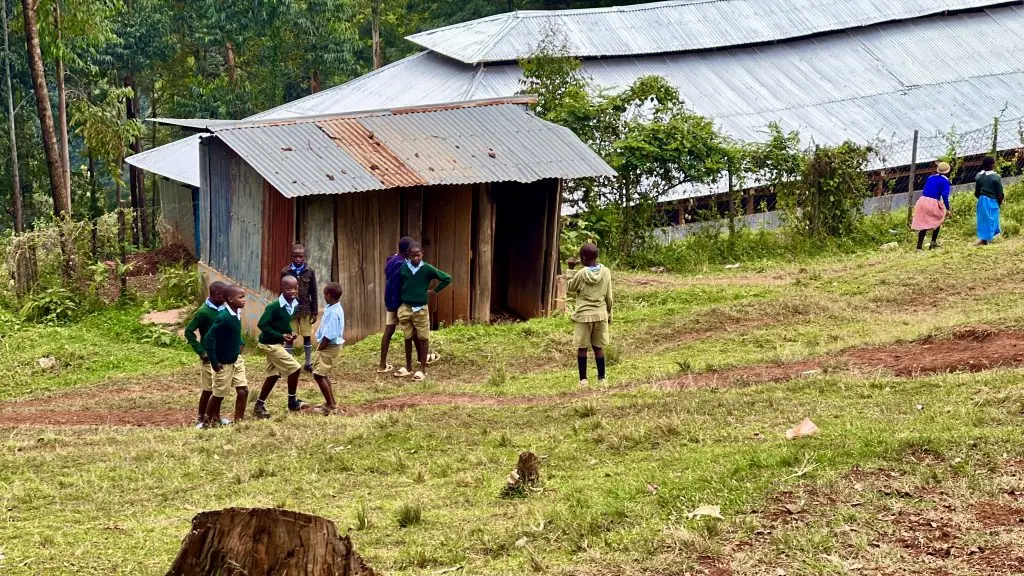
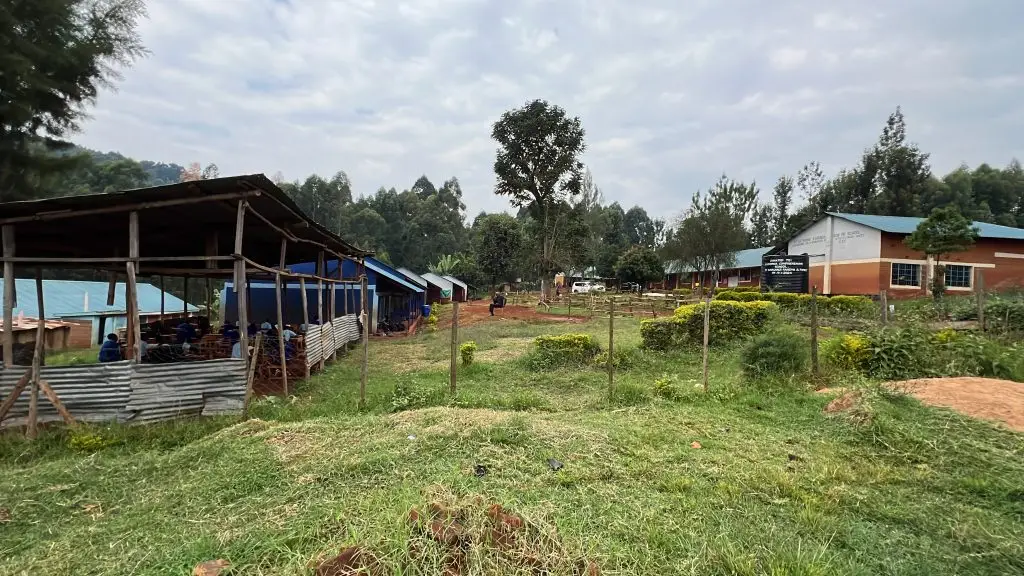
Kenyan villages face multifaceted challenges that hinder their development and prosperity. From inadequate access to clean water and sanitation facilities to limited healthcare services and educational opportunities, the list is extensive. Moreover, unreliable energy sources and deficient transportation infrastructure further exacerbate the situation, hindering economic growth and perpetuating cycles of poverty.
The Importance of Sustainable Community Development:
Sustainable community development initiatives play a pivotal role in addressing these challenges and fostering holistic growth in rural areas. By focusing on long-term solutions that empower communities and preserve their natural resources, sustainable development initiatives create a foundation for lasting progress. These initiatives encompass various aspects, including:
Access to Clean Water and Sanitation:
Implementing projects for constructing wells, boreholes, and water purification systems can significantly improve access to clean water, thereby reducing waterborne diseases and improving overall health.
We Can Support
Healthcare Services
Establishing clinics and health centers equipped with essential medical supplies and trained personnel enhances access to healthcare services, leading to improved well-being and lower mortality rates.
Education and Skills Development
Investing in schools, vocational training centers, and educational programs empowers individuals with knowledge and skills vital for socio-economic advancement, breaking the cycle of poverty and illiteracy.
Renewable Energy Solutions
Introducing renewable energy technologies such as solar panels and biogas systems not only provide reliable electricity but also promote environmental sustainability, reducing reliance on fossil fuels.
Infrastructure Development
Improving road networks, bridges, and transportation facilities facilitates easier access to markets, healthcare facilities, and educational institutions, stimulating economic growth and connectivity.
Collaboration from Supporters:
While the importance of sustainable community development in rural villages cannot be overstated, achieving meaningful progress requires collective action and collaboration. Individual supporters all play crucial roles in driving positive change. Here’s how supporters can contribute:
- Financial Support: Donations and funding are essential for implementing infrastructure projects, providing resources for materials, labor, and ongoing maintenance.
- Expertise and Resources: Volunteers with specialized skills in areas such as engineering, healthcare, education, and project management can offer their expertise to design and execute development initiatives effectively.
- Advocacy and Awareness: Raising awareness about the plight of rural communities and advocating for policy changes can garner support and mobilize resources for sustainable development efforts.
- Partnerships and Collaborations: Establishing partnerships between charitable organizations, local communities, governmental agencies, and other stakeholders fosters synergistic efforts and maximizes impact.
In conclusion, sustainable community development is not just a lofty ideal but a pragmatic necessity, particularly for rural villages in countries like Kenya.
By addressing the underlying challenges and fostering resilience and self-reliance within communities, we can pave the way for a brighter and more equitable future. However, achieving this vision requires concerted efforts and collaboration from supporters worldwide.
Together, we can build sustainable futures and empower communities to thrive against all odds.